


Electric vehicles (EVs) and hybrid vehicles are becoming increasingly popular as the automotive industry shifts towards more sustainable transportation options. Both options offer significant benefits over traditional gasoline-powered cars but also have distinct differences. Understanding these differences is crucial for deciding which type of vehicle best suits your needs.
In this blog, we’ll explore the key differences between EV vs hybrid vehicles, focusing on Chevrolet models, to help you make the right choice.
Understanding Electric Vehicles (EVs)
What is an Electric Vehicle?
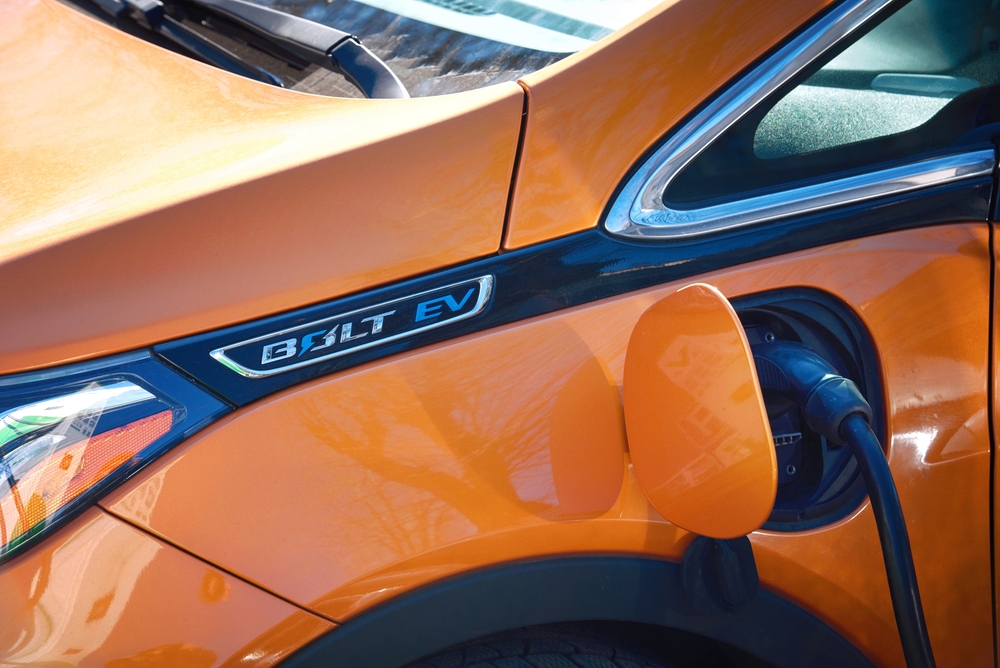
An electric vehicle (EV) is powered entirely by electricity. Unlike traditional cars that rely on internal combustion engines, EVs use electric motors and draw power from large battery packs. This means they produce zero emissions and offer a cleaner alternative to gasoline-powered vehicles.
Benefits of Chevrolet EVs
Chevrolet offers a range of electric vehicles that provide numerous benefits. One of the primary advantages is the environmental impact. Since EVs produce zero emissions, they help reduce air pollution and your carbon footprint. Additionally, EVs tend to have lower operating costs because electricity is generally cheaper than gasoline and require less maintenance due to fewer moving parts. The quiet and smooth driving experience is another appealing feature of EVs.
One notable Chevrolet model in the EV lineup is the 2024 Chevrolet Blazer EV. This vehicle offers impressive range, advanced technology, and a comfortable driving experience, making them excellent choices for those looking to transition to electric driving.
Understanding Hybrid Vehicles
What is a Hybrid Vehicle?
A hybrid vehicle combines a traditional internal combustion engine with an electric motor and battery. This combination allows the car to switch between gasoline and electric power or use both simultaneously to improve fuel efficiency and reduce emissions. Hybrids offer a middle ground between conventional cars and fully electric vehicles.
Benefits of Chevrolet Hybrids
Chevrolet hybrid vehicles provide several advantages, especially in terms of fuel efficiency. By using both gasoline and electric power, hybrids can achieve better fuel economy than traditional cars. This can lead to significant savings on fuel costs over time. Hybrids also produce lower emissions than conventional vehicles, making them a more environmentally friendly option.
Chevrolet offers the Tahoe, Traverse, and Equinox in hybrid versions. These vehicles offer excellent fuel efficiency, a smooth driving experience, and the flexibility of gasoline and electric power.
Key Differences Between Hybrid vs EV Cars
Power Source and Operation
The most significant difference between Chevrolet EV and hybrid vehicles is their power source. EVs are fully electric and rely solely on battery power. They must be charged regularly using a home or public charging station. In contrast, hybrids use a combination of an internal combustion engine and an electric motor. This allows them to run on gasoline, electric power, or both, depending on the driving conditions and power needs.
Environmental Impact
When comparing hybrid vs. EV cars, the environmental impact is a critical factor. EVs produce zero emissions, making them the greener option. This can significantly reduce your carbon footprint and contribute to cleaner air. Hybrids, while not entirely emission-free, still offer reduced emissions compared to traditional gasoline-powered cars. This makes them a more environmentally friendly choice for those not ready to go fully electric.
Fuel and Energy Costs
Another essential consideration in the EV vs hybrid debate is the cost of fuel and energy. EVs generally have lower operating costs because electricity is cheaper than gasoline. Additionally, EV owners can save on maintenance costs since electric motors have fewer moving parts and require less frequent servicing. Hybrids, on the other hand, offer better fuel efficiency than conventional cars, reducing overall fuel expenses. However, they still rely on gasoline, which can be more expensive than electricity.
Driving Experience and Maintenance
The driving experience differs significantly between EV vs hybrid vehicles. EVs offer a quiet and smooth ride due to the absence of an internal combustion engine. The instant torque provided by electric motors also means quicker acceleration and a more responsive driving experience. Maintenance for EVs is typically less frequent and less costly, as fewer components can wear out.
Hybrids, while quieter and smoother than traditional cars, still have the familiar driving feel of a gasoline-powered vehicle. They offer the best of both worlds by providing an electric boost when needed and the flexibility of a gasoline engine for longer trips. However, due to the combination of two power systems, hybrids can be more complex to maintain.
Choosing the Right Chevrolet for You
Lifestyle and Driving Habits
When deciding between an EV vs hybrid, it’s essential to consider your lifestyle and driving habits. If you have a short daily commute and access to charging infrastructure, an EV like the Chevrolet Equinox EV or Blazer EV might be the perfect choice. These models offer sufficient range for daily driving and the benefits of zero emissions.
A hybrid could be more suitable if you frequently take long trips or live in an area with limited charging options. Hybrids provide the flexibility of gasoline and electric power, ensuring you won’t be stranded without a charge.
Environmental Concerns
EVs are the clear winner in the ev vs hybrid comparison for those who prioritize reducing their carbon footprint. With zero emissions, EVs offer the most environmentally friendly option. Hybrids, while not as green as EVs, still significantly reduce emissions compared to traditional cars.
Cost Considerations
Cost is another crucial factor when choosing between hybrid vs ev cars. While EVs generally have higher upfront costs, the long-term savings on fuel and maintenance can offset this initial investment. Hybrids are more affordable upfront and offer improved fuel efficiency, leading to savings on fuel costs.
Find The Right Chevrolet EV or Hybrid At Turner Chevy
Choosing between an EV vs hybrid depends on your lifestyle, driving habits, environmental concerns, and budget. Both options offer significant benefits over traditional gasoline-powered vehicles, with EVs providing zero emissions and lower operating costs, and hybrids offering improved fuel efficiency and flexibility. Chevrolet’s lineup of electric and hybrid vehicles provides a range of options to suit different needs. Visit Turner Chevy’s website to explore these models and find the perfect vehicle for your next adventure
Connect with us


